
- 23 Views
- 13 Min Read
- (0) Comment
Deciding what to wear in Morocco is mostly about comfort and your route: pack loose trousers or longer skirts, tops with sleeves and comfortable walking shoes for the medinas and villages. Add layers for your dates: a winter night in Merzouga needs a different bag from a summer stay on the coast. You do not need to dress in traditional Moroccan clothing, and everyday clothing advice is not the same as the entry rules of individual religious sites, which we cover separately below.
Quick answer
Cities and medinas: light, loose clothes that cover shoulders and knees
Villages: a little more modest; a light scarf is handy for women
Beach: swimwear is fine at tourist beaches; cover up when you leave the sand
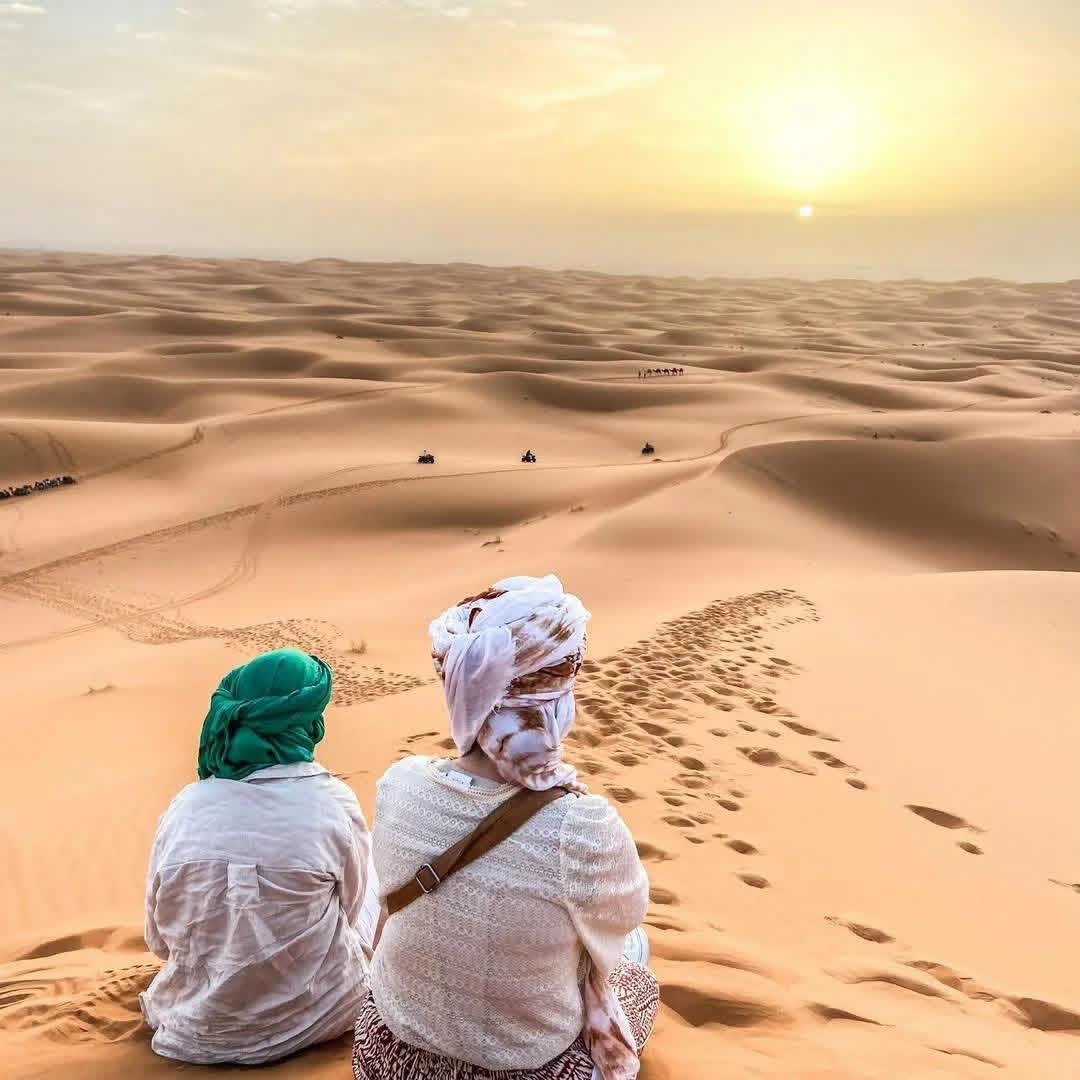
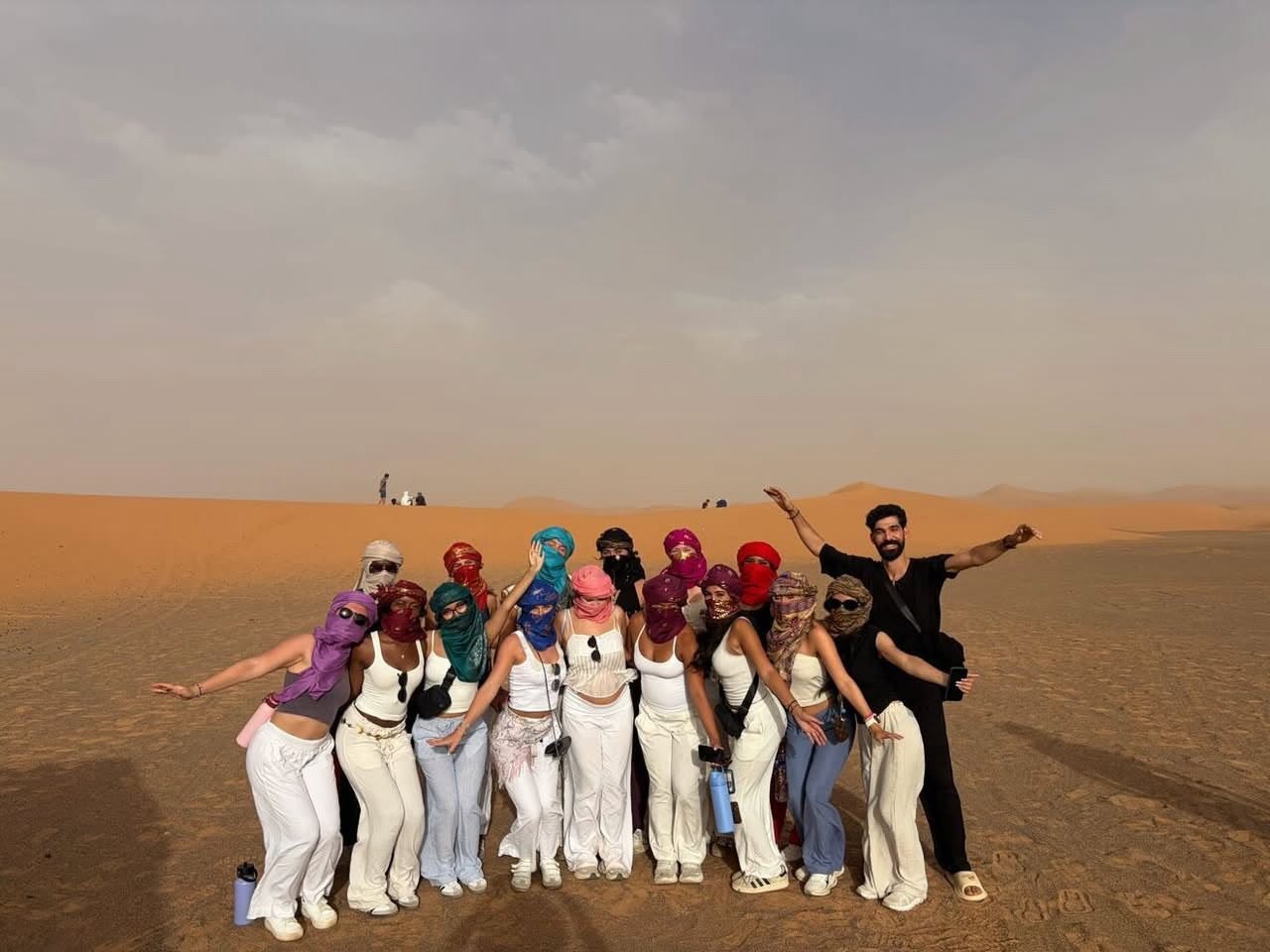
Desert: breathable coverage for the sun, a scarf and sunglasses; match the evening layer to your travel month.
Shoes: comfortable, broken-in walking shoes
In this guide
What to Wear in Morocco: Advice for Women
Tops: T-shirts, blouses and light shirts that cover the shoulders; avoid low necklines in the medina.
Bottoms: loose trousers, midi or maxi skirts and dresses; leggings are fine with a long top.
Scarf: not required on your hair, but useful for sun, dust, some religious sites and conservative villages.
Evenings: a cardigan or light jacket; nights are cool for much of the year.
What works in July in the Fes medina: a long linen dress or wide trousers and a cotton shirt. Tight synthetic leggings get uncomfortable fast at 38°C.
What to Wear in Morocco: Advice for Men
Tops: T-shirts and short- or long-sleeved shirts; sleeveless tops are best kept for the beach.
Bottoms: trousers or chinos in the medina; knee-length shorts are common in modern areas and at the beach.
Shoes: closed, comfortable shoes for walking, plus sandals.
Evenings and desert: carry an accessible layer; use a warmer jacket for cold-season nights.
What to Wear in Morocco by Place
Cities: Marrakech, Fes, Casablanca, Rabat
In Gueliz, central Casablanca and other modern districts, you will see a wide range of everyday clothing. Medinas and smaller towns can feel more conservative. Loose trousers, midi skirts and sleeved tops are a versatile choice for comfort and sun protection; these are practical recommendations, not a national uniform or a blanket legal dress code.
Villages and the countryside
In villages around Imlil or the Aït Bouguemez valley, modest visitor clothing is a comfortable starting point. A long skirt or trousers and a sleeved top work well for a walk or an invitation to a home. There is no need to copy local dress. Ask before photographing anyone and accept a refusal without pressure.
The beach
Swimwear is normal at tourist beaches in Agadir, Essaouira, Taghazout and the north. When you walk up from the sand to Essaouira's medina or Taghazout's main street, put on a shirt or a dress.
The desert
For the Sahara, think sun protection by day and warmth by night:
Choose light long sleeves, comfortable trousers for sitting on a camel, sunglasses and a sun hat or cheche. Add sunscreen and lip balm. Keep an evening layer in the overnight bag, with a warm jacket for colder dates. Use footwear suited to the planned walk and protect your feet from hot sand. Ask about camp-bag storage instead of assuming a suitcase will travel by camel.
The mountains
In the Atlas, choose footwear, layers and rain protection for the altitude and activity. A village lunch and a high summit are different trips. In winter, a coat, hat and gloves may be needed even on a short outing; snow routes require suitable equipment and local advice beyond an ordinary sightseeing packing list.
What to Wear in Morocco by Season
| Season | Cities | Desert | Mountains |
|---|---|---|---|
| Spring | Light layers, a cardigan for evenings | Long sleeves + fleece for the night | Layers, light jacket |
| Summer | Light cotton, hat, sunglasses | Very light clothes + a layer for the night | T-shirt by day, fleece at night |
| Autumn | Light layers | Long sleeves + warm jacket | Layers, waterproof jacket |
| Winter | Warm jacket for evenings | Down jacket, hat, gloves | Winter coat, boots |
Your Morocco Packing Checklist
Clothing
- 3–4 loose tops that cover the shoulders.
- 2 pairs of light trousers or long skirts.
- 1 evening layer for the desert, with a warmer jacket when the forecast requires it.
- 1 light scarf for women or a cheche for anyone who wants one.
- Swimwear and a cover-up.
- Comfortable walking shoes, plus sandals.
Essentials
- Sunglasses, sunscreen and a hat.
- A power bank and adapter: Morocco uses type C/E plugs and 220 V.
- Basic medicines and oral rehydration salts.
- Copies of your passport.
For a desert night
- A small backpack for the camp; big bags usually stay in the vehicle or at the auberge.
- A headlamp or small torch.
- Zip bags to keep sand out of your phone and camera.
- Lip balm, wet wipes and a reusable water bottle.
Most riads and hotels offer laundry, so you can pack less and wash clothes mid-trip.
What to Wear in Morocco's Hammams
A public hammam and a hotel spa have different arrangements. Neighbourhood hammams generally separate men and women by space or opening time. Ask what clothing is expected, what to bring and whether washing or scrubbing costs extra; take flip-flops, a towel and a clean change when these are not supplied. At a riad or spa, confirm which disposable clothing, robe and toiletries are provided. Agree the service and total price before starting.
Packing Mistakes to Avoid
Brand-new shoes: medina tiles are slippery and walks are long.
Thin soles: they make cobblestones painful.
No jacket for the desert night: in December and January the camp can be around 0°C at sunrise.
Very short or tight clothing: possible in some settings, but less versatile for a day combining conservative streets, sun and a religious-site visit. Pack alternatives so you can choose comfortably.
What to Wear in Morocco at Religious Sites and During Ramadan
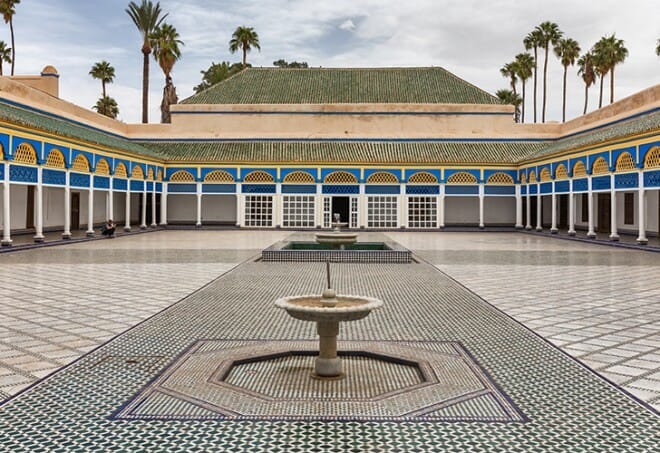
Most active mosques in Morocco are closed to non-Muslims. The big exception is the Hassan II Mosque in Casablanca, which you can visit on a guided tour. Historic religious schools (medersas) such as Ben Youssef in Marrakech and Bou Inania in Fes are open to all visitors. Each site sets its own rules, so follow the signs and your guide.
For the Hassan II Mosque visitor tour, cover shoulders and torso and wear clothing below the knees; shorts and sleeveless tops are not accepted. Remove shoes where instructed. Other monuments have their own entry rules, so do not apply one generic mosque checklist to every medersa or museum.
A scarf can be useful for sun, dust or a requested cover-up, but a woman does not need one simply to walk around Morocco. During Ramadan, check the rhythm and opening hours of your destinations and be considerate around people who are fasting. Neither Ramadan nor traditional village dress requires tourists to adopt Moroccan ceremonial clothing.
What to Wear in Morocco: Understanding Regional Dress
Choose your clothing for the exact travel month and overnight stops. Everyday and festive dress also varies by region: a striped mendil in the Jbala hills, a blue daraa in Dakhla, a white djellaba and red tarbouche at a Fassi wedding. These examples describe regional traditions and ceremonial dress, not what every resident wears day to day.
Casablanca and Marrakech
Casablanca and Marrakech show traditional and contemporary styles side by side. In Derb Sultan, Hay Mohammadi or the Habous you may see djellabas and balgha slippers alongside jeans and workwear. Marrakech changes between Gueliz, Hivernage and medina streets too. Look at the individual garments and context rather than expecting every merchant or resident to dress alike.
Rabat: the administrative capital
Rabat is known for professional dress and suits, from ministries to embassies. It is also famous for Rabati embroidery, used on caftans and linens.
Fes: the capital of the caftan
Fes is an important centre of Moroccan caftan craftsmanship. Look for sfifa braid, aakad knotted buttons and other hand finishing. The elaborate lebsa fassia is associated with bridal celebration, not everyday sightseeing. If you want to try a garment for a photograph, arrange it with a willing maker, agree any fee and distinguish that fitting from a purchase. This can add a practical craft encounter to the regional traditions described here.
The North: Jbala country
Traditional Jbala dress includes the striped mendil waist wrap and broad straw hats decorated with wool. You may see these traditions in Chefchaouen, Ouazzane and surrounding communities, especially in cultural or market settings. Ouazzane is also associated with wool djellabas, while Tétouan has a strong caftan tradition. Contemporary residents do not all wear the same outfit.
The Rif and the East
In Al Hoceima and Nador, women wear colourful dresses with headscarves and silver jewellery, especially at weddings. In Oujda, the blouza oujdia is a wide, embroidered wedding dress, and reggada dancers wear white djellabas.
The Middle Atlas
In Azrou and Khénifra, Amazigh women wear the handira, a striped wool cape. At the Imilchil marriage festival, young women of the Aït Haddidou wear striped handiras and decorated head coverings.
Souss: Agadir, Taroudant, Tiznit
Women wear the Soussi tamelhaft wrap and the famous Tiznit silver jewellery. Men wear a djellaba or white shirt, a rezza turban and babouches. In the Anti-Atlas, look for the akhnif, a black wool burnous with a coloured "eye" on the back.
Around Merzouga and the South-East
| Village | Why visitors go | What you'll see |
|---|---|---|
| Hassi Labied | Gateway to the Erg Chebbi dunes | Men in the gandoura and a black or blue cheche |
| Khamlia | Village of Gnaoua music | Musicians in colourful outfits and cowrie-shell caps |
| Rissani | Big market and ksour | Women in the black haïk of Tafilalt |
| Tinghir and Todra | Oasis and canyon | Colourful headscarves and wool djellabas |
| Kelâat M'Gouna | Valley of Roses | Colourful dresses and silver at the Rose Festival |
The Sahara: Laâyoune, Dakhla, Guelmim
Saharan clothing traditions include the blue or white daraa robe and the colourful melhfa wrap. These garments have cultural and practical meaning; ask a seller or host about their use rather than treating them as costumes. Tea hospitality is another part of many visits, though the exact serving ritual depends on the household and setting.
What to Wear in Morocco: Three Outfits You Can Actually Pack
Use the same small wardrobe in three combinations. This answers what to wear in Morocco more usefully than packing separate clothes for each city: most pieces should work for a walk, a transfer and a casual meal.
A medina day: breathable coverage and reliable shoes
Try loose cotton or linen trousers, a sleeved top and broken-in trainers. A midi dress with shoes you can walk in is another option. Carry a light layer rather than wearing it all morning. In Fes, grip matters on sloping lanes; in Marrakech, breathable fabric makes a longer souk walk more comfortable. These clothes also work in modern districts such as Gueliz, so deciding what to wear in Morocco does not require a change at the medina gate.
A camel-and-camp night: two bags, not two wardrobes
Wear trousers comfortable enough to sit astride in, with a breathable top and sun protection. Put sleepwear, socks, a clean top, toiletries, medication and the evening layer in your small camp bag. A winter Merzouga night may need a proper coat, hat and gloves; a summer night may stay warm. Keep the suitcase-storage arrangement separate from what you carry to the tent.
An Atlas outing: dress for the walk you are doing
For a village walk, choose grippy walking shoes, trousers you can step up in and layers that fit in a daypack. A waterproof shell is useful when rain is possible. A summit with snow is a different undertaking: ordinary city trainers and this packing list do not replace the equipment for that route. What to wear in Morocco changes with altitude as well as season.
What to Wear in Morocco for Seven Days
Start with the checklist above: three or four tops, two bottoms, one evening layer, comfortable walking shoes, and beach or hammam items if needed. Rewear the bottoms and reserve one dry outfit for the next travel morning. A light scarf can serve as sun or dust coverage; traditional clothing is an optional purchase, not an item you must bring.
When deciding what to wear in Morocco with limited luggage, give shoes space before extra dinner outfits. Pack sandals only if you will use them, wear the bulkier shoes during travel, and keep documents and essential medication with you. If laundry fits the itinerary, schedule it before the last night in a town so clothes have time to dry.
Before settling on what to wear in Morocco, put on the outfit for your longest walk, then sit in the clothes intended for the camel or transfer. Tight seams, slippery soles and a heavy bag become obvious at home. Fix those small discomforts before buying another item that will stay in the suitcase.
Still Unsure What to Wear in Morocco?
Tell us your travel month and overnight stops, and we can suggest which layers deserve space in your bag, along with transfers and tours for your route on our custom Morocco tour page.
FAQ: What to Wear in Morocco
When deciding what to wear in Morocco, do women need to cover their hair?
No, not for ordinary travel and sightseeing. Follow any specific religious-site instruction, but do not assume that wearing a headscarf is a general requirement.
Can I wear shorts in Morocco?
Yes, especially at the beach and in modern areas. In the medina and villages, knee-length shorts or trousers are more comfortable.
What to wear in Morocco for a winter desert night?
Take a warm coat or fleece, trousers and socks; a hat and gloves can be useful around sunrise. Summer nights need a different bag and may stay warm. Keep the chosen layer with you for the camp transfer.
What shoes are best for Morocco?
Comfortable, broken-in walking shoes with good grip, plus sandals for warm days.
What should men wear in Morocco, and is traditional Moroccan clothing expected?
Trousers or knee-length shorts and T-shirts or shirts. In the medina and villages, trousers are more comfortable and respectful. Traditional Moroccan clothing is not expected; if you buy a djellaba or a gandoura in the souk, wearing it is welcome, not required.
What should I wear to a hammam?
Ask the hammam what to wear and bring. Some public hammams expect swimwear or underwear bottoms; practices vary. At a spa, confirm whether disposable underwear, a robe and a towel are supplied.
Is there a Morocco dress code for the Hassan II Mosque?
Its visitor rules require covered shoulders and torso and clothing below the knees, with shoes removed as instructed. Shorts and sleeveless clothing are not accepted.