
- 33 Views
- 18 Min Read
- (0) Comment
There is a good Moroccan trip in every month. In April, that might mean green hills around Chefchaouen and the cedar country of Azrou. In August, it could mean Mediterranean beaches, an Ifrane nature stay, or Marrakech sunshine with a long pool break. In January, a city-and-coast holiday needs a different bag from a night beside the Merzouga dunes. The best time to visit Morocco is the month that fits your route and the kind of days you want.
Marrakech First recommends Morocco throughout the year. Our advice changes with your interests: long outdoor walks, strong sunshine, a quiet mountain stay, swimming or a Sahara night. Use the monthly planner to choose the region, then read the activity sections for the trade-offs. If you have already booked flights, you can still find the best time to visit Morocco for your preferred experience by changing the route rather than the holiday dates.
Quick answer
Sahara dunes: March-April and October-November are useful starting windows; nights and wind still need checking.
Marrakech, Fes and the imperial cities: March-May and September-November
Beaches (Essaouira, Agadir, the north): June-September
High Atlas hiking: late spring to early autumn for many walking routes; altitude and remaining snow decide the equipment. Ifrane snow visits depend on actual winter conditions.
Lower-cost trips: compare January, February and November outside holidays; prices vary by destination and booking date.
In this guide
Morocco by Season: What Changes on the Ground
An April afternoon in Marrakech can feel warm enough for a light shirt while the High Atlas still needs a jacket and Essaouira feels cool in the wind. Elevation, distance from the ocean and the time of day all matter. When choosing the best time to visit Morocco, compare the places where you will sleep and walk, rather than using one city's forecast for the whole country.
Spring (March-May): gardens, green hills and mixed routes
Spring is one of the easiest periods for combining Marrakech, the Atlas, Merzouga and Fes in one trip.
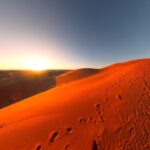
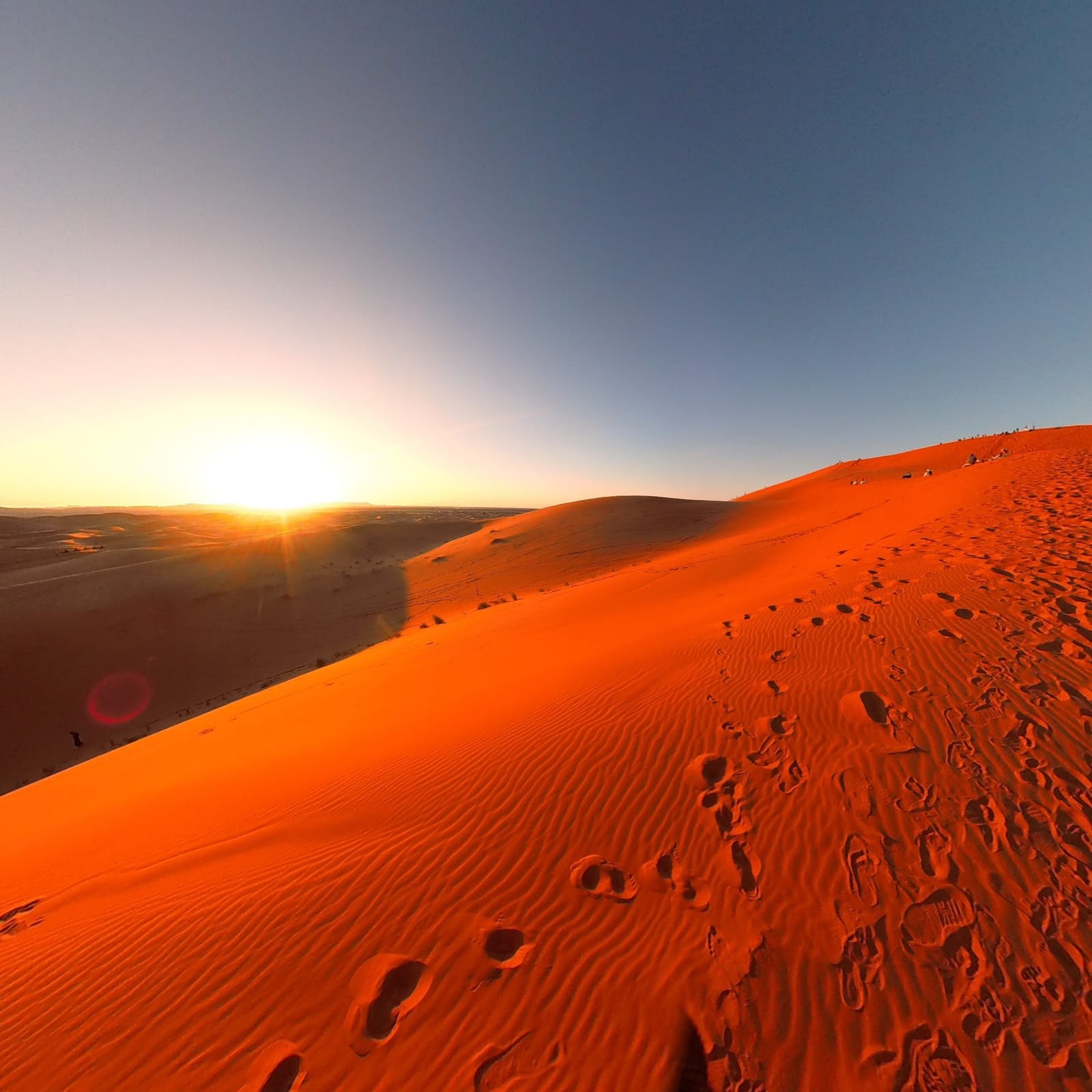
Merzouga (Erg Chebbi): spring is a popular window for the dunes, though May is often hotter than March. Plan the camel ride for the cooler part of the day and bring an evening layer. Sand wind can affect visibility and the programme; ask how your camp handles windy conditions. The attraction is the full sequence: afternoon light on the dunes, dinner, the camp night and sunrise.
Dadès and Todra valleys: often green after seasonal rain; almond trees bloom in the Atlas in February and March.
Kelâat M'Gouna: the famous Rose Festival takes place in May.
Marrakech: spring works well for gardens and walking, with earlier visits increasingly useful as May warms up. Keep a shaded lunch stop instead of assuming every spring afternoon will be mild.
Fes and Meknes: a good season for medina walks and open-air visits. A tannery visit is a working-site experience, with smells and activity that vary on the day.
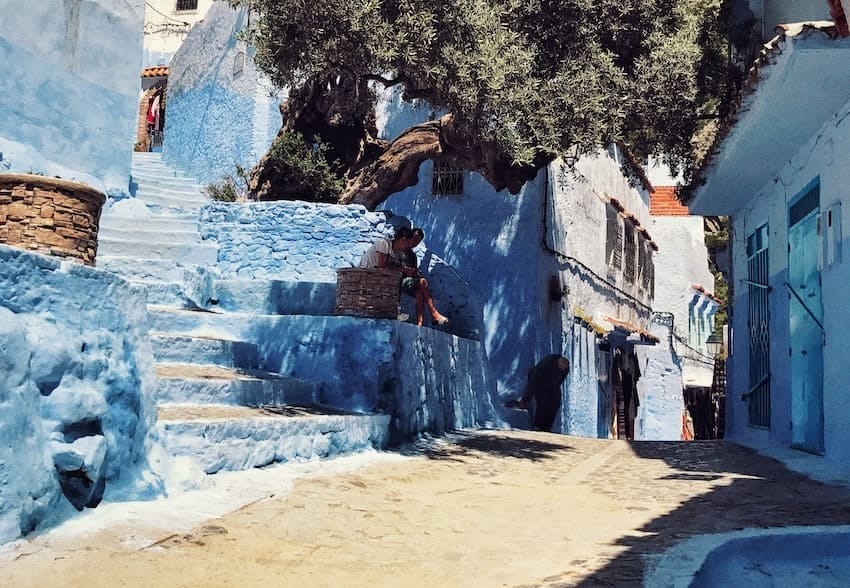
Chefchaouen and Akchour: consider a longer nature stay when the hills are green after rain. Check trail and river conditions before a waterfall outing; greenery does not guarantee easy access.
Keep in mind that European Easter holidays fill hotels and push prices up.
Summer (June-August): the coast and the mountains
From June, it usually makes sense to shift an itinerary toward the coast and the mountains, and keep the inland cities for early mornings and evenings.
Merzouga in summer: intense daytime heat changes the schedule. Ask about cooling at the accommodation, shaded rest time and the timing of any camel ride. A pool matters only if it is actually available where you rest; do not assume every camp has one. Summer remains an option for travellers comfortable with heat, but it needs a different programme from a spring walking trip.
Essaouira: ocean wind often makes it a welcome contrast to inland heat. Bring a light outer layer for the evening; a comfortable air temperature does not guarantee warm swimming water.
Agadir and Taghazout: beaches and surf.
The north: consider Tangier and Asilah for coastal towns, or Martil, Al Hoceima and Saïdia for beach time. July and August can be busy, so choose the beach and accommodation for the atmosphere you want.
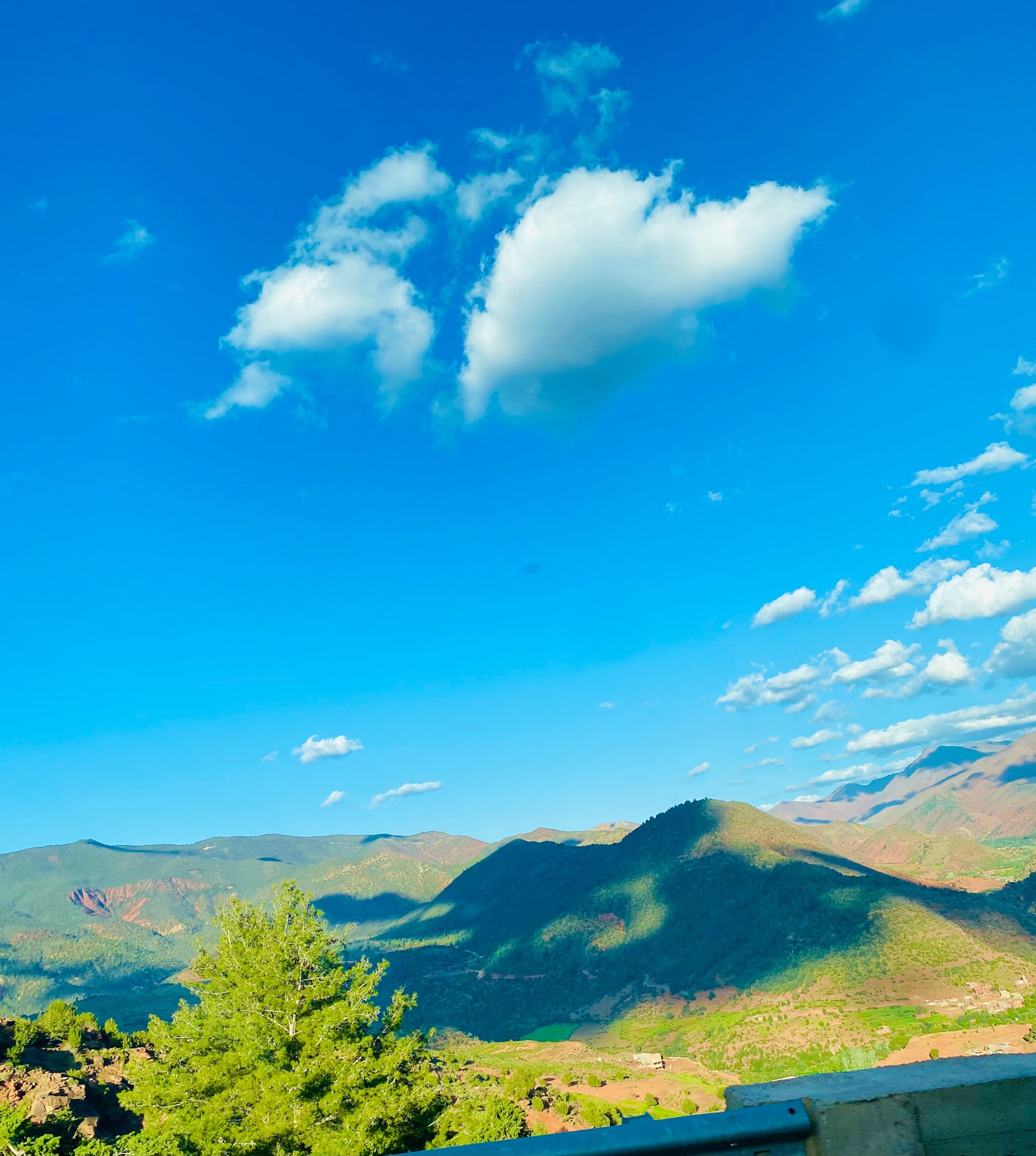
Imlil and Toubkal (4,167 m): the usual season for summiting North Africa's highest peak; snow can linger early in the season, so check conditions.
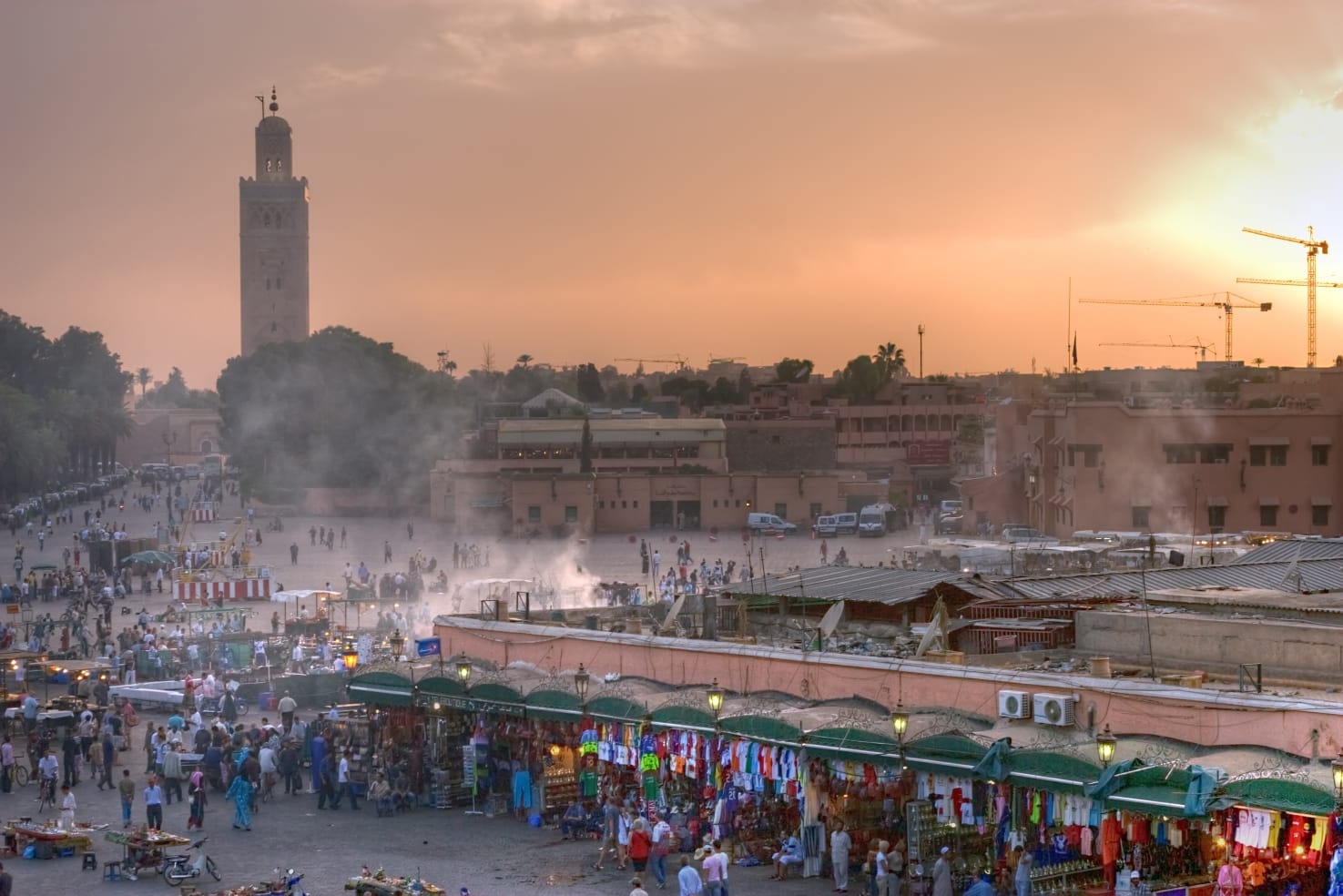
Marrakech and Fes: afternoon temperatures can reach 38-45°C during hot summer weather. Visit early in the morning and in the evening, and choose a riad with a pool.
July and August are also when Moroccans living abroad come home, so roads and flights get busy.
Autumn (September-November): cities, date valleys and dunes
As the heat gradually eases during autumn, the dates ripen in the Ziz and Draa valleys and the light turns low and golden by late afternoon.
Merzouga: heat generally eases through autumn, making October and November attractive for a dunes-and-camp trip. The date harvest gives the Tafilalt another reason to visit; confirm any Erfoud festival programme separately.
Marrakech and Fes: pleasant days and quieter streets than in spring.
Dadès and Todra: autumn colours and apple season in Midelt.
Imilchil: the famous marriage festival (late summer or September).
Agadir and Essaouira: coastal stays can remain enjoyable; sea temperatures and wind vary, especially on the Atlantic.
Winter (December-February): sunny, cool and underrated
Winter can suit travellers who prefer a slower city break and do not mind bringing layers. Southern coastal stays, Marrakech sightseeing and a carefully prepared desert night offer different experiences. Clear skies and snow views are possible, rather than something every day will deliver.
Merzouga: afternoons can be pleasant, but nights can become very cold and may approach freezing. Confirm bedding, bathroom access and any heating with the chosen camp. On a route from Marrakech, check the High Atlas crossing too: snow or ice can disrupt travel for an unpredictable length of time.
Ifrane: snow is possible mainly in winter; skiing at Michlifen depends on snow and current operation. No snow? "Morocco's Switzerland" is still lovely, and the cedar forest near Azrou is home to wild Barbary macaques.
Oukaïmeden: a mountain outing from Marrakech when access is suitable. Check road conditions and current facilities before making skiing the reason for the journey.
Marrakech: useful for winter sightseeing, café terraces and gardens on fine days. Pack for cold mornings and evenings as well as possible rain, and ask about heating in your room.
Agadir and Dakhla: mild, sunny winter days, although the sea is cool.
Christmas and New Year are busy and expensive, while January is quieter and cheaper.
Best Time to Visit Morocco: Where to Go Month by Month
Use this planner to choose a destination, rather than read Marrakech as a national weather average. Each month has worthwhile options. The best time to visit Morocco for your route also depends on that year's rain, heat, school holidays and any fixed appointments. These are regional travel suggestions, not a forecast.
| Month | Places to consider | Why go now? | Plan around |
|---|---|---|---|
| January | Marrakech; Agadir; Ifrane if snow is present | City walks, a southern coastal stay, or a separate mountain outing | Cold nights; possible mountain disruption; New Year demand |
| February | Marrakech; Tafraoute; Azrou and Ifrane | Gardens, landscapes and quieter sightseeing outside holidays | Rain and winter roads; blossom timing varies |
| March | Fes and Meknes; Chefchaouen; Merzouga | Medinas, northern scenery and a city-to-desert route | Rain in the north; cool nights; movable religious holidays |
| April | Chefchaouen and Akchour; Ifrane, Azrou and Khénifra; imperial cities | Nature stays, greenery after rain and comfortable walking opportunities | Easter demand; trail conditions; wind on a Sahara extension |
| May | Atlas foothills; Kelâat M'Gouna; Fes | Village walks, gardens and the rose-growing region | Growing inland heat; confirm festival dates and high-route snow |
| June | Essaouira; Tangier and Asilah; Middle Atlas | Coastal breaks and nature stays as inland days warm up | Ocean wind; sunny-day heat; actual mountain route conditions |
| July | Al Hoceima, Martil or Saïdia; Ifrane and Azrou | Beach holidays and a change from hot inland cities | Busy coast; advance accommodation; sun protection |
| August | Northern beaches; Essaouira; Ifrane and Khénifra | Sea air or a slower mountain-and-forest stay | Holiday demand; inland heat; early walking and rest breaks |
| September | Northern coast; Fes; Middle Atlas | A mix of late beach time, cities and nature | Residual inland heat; sea and wind conditions |
| October | Merzouga and the Ziz Valley; Marrakech; Meknes | Dunes, date-growing landscapes and longer city walks | Popular travel weeks; shortening daylight; cooler nights |
| November | Marrakech; Ouarzazate; Merzouga; Agadir | A city-and-desert route or a southern coastal base | Cold camp nights; rain on northern routes; mountain crossings |
| December | Marrakech; Agadir; Ifrane if snow is present | A winter break, gardens and cafés, or a weather-dependent snow visit | Christmas/New Year demand; heating; short days and road conditions |
Best Time to Visit Morocco for the Sahara Desert
For the Sahara, aim for March-April or October-November. Days are warm, nights are cool, and the camel ride at sunset is comfortable.
For a Sahara extension, the best time to visit Morocco is also a question of sleeping conditions. Use the seasonal distinctions below when comparing camps, rather than expecting one temperature range to apply across an entire season:
| Season | What changes | How to adapt the desert night |
|---|---|---|
| Spring | Days warm up from March into May; wind can affect the dunes | Take an evening layer and confirm the programme in windy weather |
| Summer | Strong daytime heat; nights can stay warm | Choose cooling and rest arrangements carefully; move outings to cooler hours |
| Autumn | September can remain hot; November nights are colder | Pack for the exact dates, not a single autumn temperature |
| Winter | Short daylight and potentially near-freezing nights | Confirm bedding and heating; bring warm layers; check the approach roads |
For many travellers, the best time to visit Morocco for a camp night is the period when they can enjoy both sunset and sunrise without struggling with heat or cold. Keep the appropriate layer in your overnight bag, not in the suitcase left behind. Ask about the actual camp setup before paying for an upgrade: a luxury label does not itself confirm heating. Our published guide, 7 Things Nobody Tells You About a Night in Merzouga, explains what to ask.
Best Time to Visit Morocco for Beaches
For beach-led travel, start by choosing the coastline. Mediterranean beaches around Martil, Al Hoceima and Saïdia are popular in summer; the Atlantic can be cooler and windier, especially around Essaouira. Agadir can suit a winter coastal stay, though mild air is different from warm seawater. The best time to visit Morocco for swimming is therefore not necessarily the best time for surfing, kitesurfing or a seaside walk.
Best Time to Visit Morocco for Hiking
For the High Atlas and Toubkal, use May to October as a planning window, not a guarantee of snow-free conditions. Confirm conditions for your specific route before departure. Spring and autumn suit the lower hikes in the Ourika Valley, Imlil, the Dadès and Todra gorges and around Chefchaouen. In winter, high routes need snow experience and equipment.
Best Time to Visit Morocco for Fewer Crowds
If avoiding crowds determines the best time to visit Morocco for you, compare quieter weeks as well as months. Late January, February and November can work well outside holidays. Visit major sights early, and check Moroccan and overseas school breaks. A weekday morning and a holiday weekend can feel different even in the same month.
Best Time to Visit Morocco on a Budget
For a lower-cost holiday, the best time to visit Morocco is often a week outside school breaks and major celebrations. January, February and November are worth comparing, but a low inland hotel rate in summer may come with intense heat. Compare the complete route: flights, rooms and long transfers can outweigh a small saving on one night. Ask for an itemised quote so you can separate accommodation, transport, meals and optional visits.
Best Time to Visit Morocco, City by City
Many of these places fill up with Moroccan families in July and August, so book early if you travel then.
North and Mediterranean
| City | Best time | Why go |
|---|---|---|
| Tangier | April-October | Hercules Caves, Cap Spartel, the Kasbah, where two seas meet |
| Tétouan | Spring, summer | Andalusian medina (UNESCO) and crafts |
| Martil, M'diq, Cabo Negro | June-September | Calm sea and corniche; very busy in August |
| Asilah | Summer, autumn | Painted walls and a summer arts festival |
| Chefchaouen and Akchour | March-June, Sept-Oct | The blue city and waterfalls |
| Al Hoceima | June-September | Some of Morocco's finest beaches and a national park |
| Saïdia | July-August | "The Blue Pearl": a long family beach |
East and centre
| City | Best time | Why go |
|---|---|---|
| Oujda | Spring, autumn | A thousand-year-old city and reggada music |
| Figuig | Spring, autumn | Palm oasis and old ksour, far off the beaten track |
| Taza | Spring, autumn | Friouato cave and Tazekka National Park |
| Meknes and Volubilis | Spring, autumn | Bab Mansour and Roman ruins |
| Ifrane and Azrou | Winter (snow), summer (cool air) | Cedar forests and alpine scenery |
| Ouarzazate and Aït Benhaddou | October-April | Kasbahs and film studios |
Atlantic coast, Souss and southern stays
| City or area | When to consider it | Experience and trade-off |
|---|---|---|
| Rabat | All year; spring and autumn for long walks | Hassan Tower and the Udayas; pack for winter rain |
| Casablanca | All year | Mosque and architecture; fit the day around visitor times |
| El Jadida | Summer for a coastal break; other seasons for heritage | Portuguese City; confirm festival dates separately |
| Oualidia | Warmer months for a lagoon stay | Seafood and coastal scenery; tides affect activities |
| Essaouira | All year; summer for a cooler change from Marrakech | Medina, port and ocean wind; do not assume calm swimming |
| Agadir and Taghazout | All year, according to activity | Beach stays and surf; winter sun differs from summer swimming |
| Tiznit | Spring and autumn for walking | Silver craft traditions and an Anti-Atlas extension |
| Dakhla | Choose dates for your intended activity | Lagoon stays and kitesurfing; wind and operator advice matter |
Festivals, Harvests and Events Worth Planning Around
Rose Festival, Kelâat M'Gouna: May
Gnaoua World Music Festival, Essaouira: usually June
Sefrou Cherry Festival: June
Moussem of Moulay Abdallah Amghar, near El Jadida: usually a summer event, known for tbourida. Use the organiser's dated programme before reserving a trip around it.
Imilchil Marriage Festival: late summer or September
Erfoud Date Festival: October
Moussem of Tan-Tan: a nomad gathering listed by UNESCO; dates change every year
Pack for the places where you will walk and sleep, with an extra layer for cooler evenings. Always confirm dates on official sources such as Visit Morocco before booking.
Ramadan, Eid and Holiday Crowds
During Ramadan, the daily rhythm changes: some cafés and restaurants close by day, opening hours shift and streets can become busy around the evening meal. After iftar, cafés and pastry shops offer a different side of local life. The best time to visit Morocco during Ramadan depends on whether you want that experience and can adapt your meal and sightseeing times. Ramadan moves through the calendar; confirm the dates for your year, with final observance subject to local announcement.
Around Eid al-Adha, some services close for a few days and roads are busy. Therefore, book transport early if your trip overlaps with it.
The Best Time to Visit Morocco by Trip Type
| Your priority | A useful starting choice | What changes the answer |
|---|---|---|
| First cities-and-desert trip | Compare April and October | Your route, school holidays and the heat you enjoy |
| Green scenery | Spring in Chefchaouen and the Middle Atlas | Rainfall, trail access and the length of the stay |
| Sunshine and a pool | Summer Marrakech can suit heat lovers | Schedule walks early; choose shade and cooling |
| Coastal holiday | Summer north; Atlantic or southern stays by activity | Wind, sea conditions and holiday crowds |
| Quiet nature stay | Ifrane, Azrou or Khénifra in a suitable season | Winter road access; snow is not guaranteed |
| High Atlas trekking | Choose the route, then its suitable season | Altitude, snow, equipment and local guiding advice |
In winter, snow or ice can disrupt the Tizi n'Tichka crossing, and in summer the camel ride is usually scheduled at sunset or sunrise. Ask how your itinerary handles both before you book.
Already Booked? Three Ways to Shape the Same Week
Spring: a northern and Middle Atlas nature trip
For the best time to visit Morocco for greenery, build a spring route around Fes, Chefchaouen and the Middle Atlas. Spend two nights in Chefchaouen so a walk around Akchour does not compete with the drive in and out. Give Azrou or Ifrane more than a roadside photograph if forests and quiet mornings are your priority. Khénifra is another option for a longer nature route, not an obligatory detour to squeeze into every week.
After a wet spell, choose the walk for the ground and river conditions. After a dry season, enjoy the towns and forest scenery without expecting every valley to look lush. This is why the best time to visit Morocco for nature involves both the calendar and the rainfall that year.
Summer: three nights in Marrakech, four in Essaouira
This seven-night idea suits travellers who want the city without spending the entire holiday in inland heat. In Marrakech, use an early palace or garden visit, a long lunch and pool break, then the square in the evening. Move to Essaouira for the port, medina, cafés and sea air. The Atlantic wind is part of the appeal, so bring a layer and do not treat the coast as a promise of calm swimming.
For sunshine lovers, the best time to visit Morocco may still include July or August in Marrakech. For walkers who dislike heat, reverse the emphasis: one or two city nights, then a longer coastal or Middle Atlas stay. The same travel month can support two very different good holidays.
Winter: keep city-and-coast days separate from a snow outing
A Marrakech-and-Agadir week gives you city sightseeing followed by a southern coastal base. Pack a jacket for evenings even if the daytime photograph looks summery. If Ifrane snow is the reason for your trip, choose a northern or Middle Atlas route instead of trying to add it as a casual excursion from Marrakech. Snow, access and accommodation heating all belong in that plan.
When deciding the best time to visit Morocco in winter, distinguish a sunny terrace, warm seawater and a warm bedroom: they are three different things. Likewise, a Sahara extension needs its own nights and road allowance. Marrakech First can work from the dates you already have and explain which combination fits without turning the week into a series of long transfers.
Find the Best Time to Visit Morocco for Your Route
Tell Marrakech First your dates, arrival city and three priorities: for example nature, medinas and one Sahara night. We can compare regions, suggest where to add a night and explain the trade-offs of your travel month. If your flights are already fixed, we build around them. Start through our custom Morocco tour page, then review the proposed overnight stops and road times before booking.
FAQ: Best Time to Visit Morocco
What is the best time to visit Morocco for a first multi-region trip?
April and October are useful starting choices for cities and desert together. They are not the only good months: the route, altitude and your comfort with heat or cold matter more than a national best-month label.
Is summer the best time to visit Morocco for my holiday?
It can be if you want beaches, mountain stays or strong sunshine. Marrakech also suits some pool-and-sun holidays, with early walks and evening outings. A long daytime sightseeing programme in inland heat is a different choice.
When is the best time to visit Morocco for lower travel costs?
January, February and November, outside Christmas, New Year and school holidays.
Is it cold in Morocco in winter?
Days are often sunny and mild, but nights are cold, especially in the desert and the Atlas, where temperatures can drop below 0°C.
What is the hottest month in Morocco?
July and August are generally the hottest period inland, with heatwaves capable of taking temperatures above 40°C. Conditions on the coast and at elevation differ; check the forecast for each overnight stop.
Is December a good time to visit Morocco?
Yes, for sunny days, quiet sights (outside Christmas) and clear desert skies. Pack warm layers for cold nights.
What is the best time to visit Morocco for Marrakech alone?
Spring and autumn are convenient for walking and gardens. Winter suits visitors who bring layers; summer can suit sunshine lovers who plan a pool break and move sightseeing to cooler hours.
Should I visit Morocco during Ramadan?
Yes, if you're curious about local life. Most sights stay open, but restaurants may close during the day and hours change.
When does it rain in Morocco?
Most rain falls between November and March, mainly in the north and the mountains. The south and the desert stay mostly dry.